The Girl Who Wouldn't Stay Quiet
Elizabeth Cochran was sixteen when her family had her committed to an asylum. Her crime? Being too outspoken, too difficult, too much trouble for a proper young woman in 1880s Pennsylvania. The diagnosis was conveniently vague—"hysteria" was the catch-all term for women who refused to know their place.
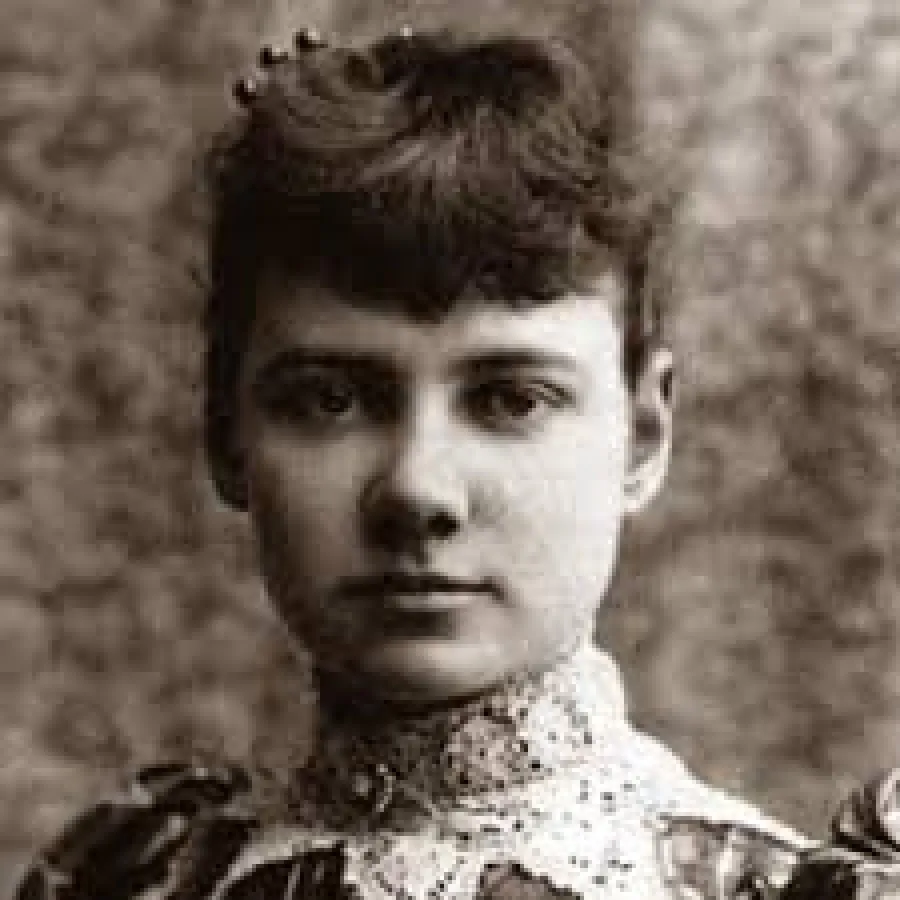 Photo: Elizabeth Cochran, via www.tebeosfera.com
What her family didn't realize was that they weren't silencing a problem child. They were creating America's most fearless journalist.
Behind the Walls
The Western Pennsylvania Hospital wasn't a place of healing—it was a warehouse for society's unwanted. Elizabeth spent months surrounded by women whose only "illness" was poverty, independence, or simply being inconvenient to their families. She watched attendants beat patients, saw women restrained for days without food, witnessed the systematic brutality that society preferred to ignore.
Most people would have emerged from such an experience broken. Elizabeth emerged with a story to tell and the unshakeable conviction that someone needed to tell it.
The Birth of Nellie Bly
After her release, Elizabeth moved to New York City with $25 in her pocket and a plan that would have terrified most seasoned reporters. She walked into the offices of Joseph Pulitzer's New York World and pitched the impossible: she wanted to get herself committed to the notorious Blackwell's Island asylum to expose conditions from the inside.
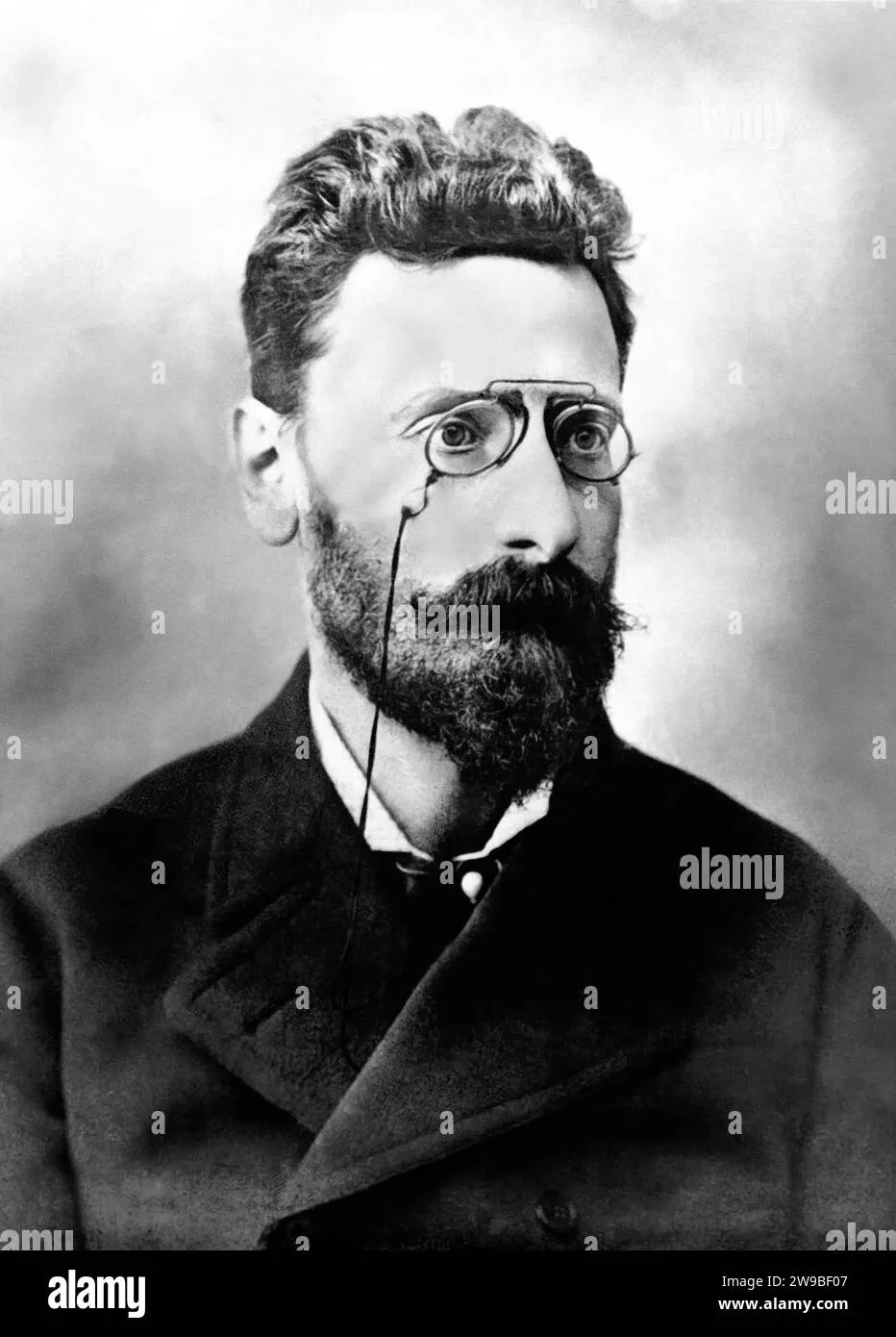 Photo: Joseph Pulitzer, via c8.alamy.com
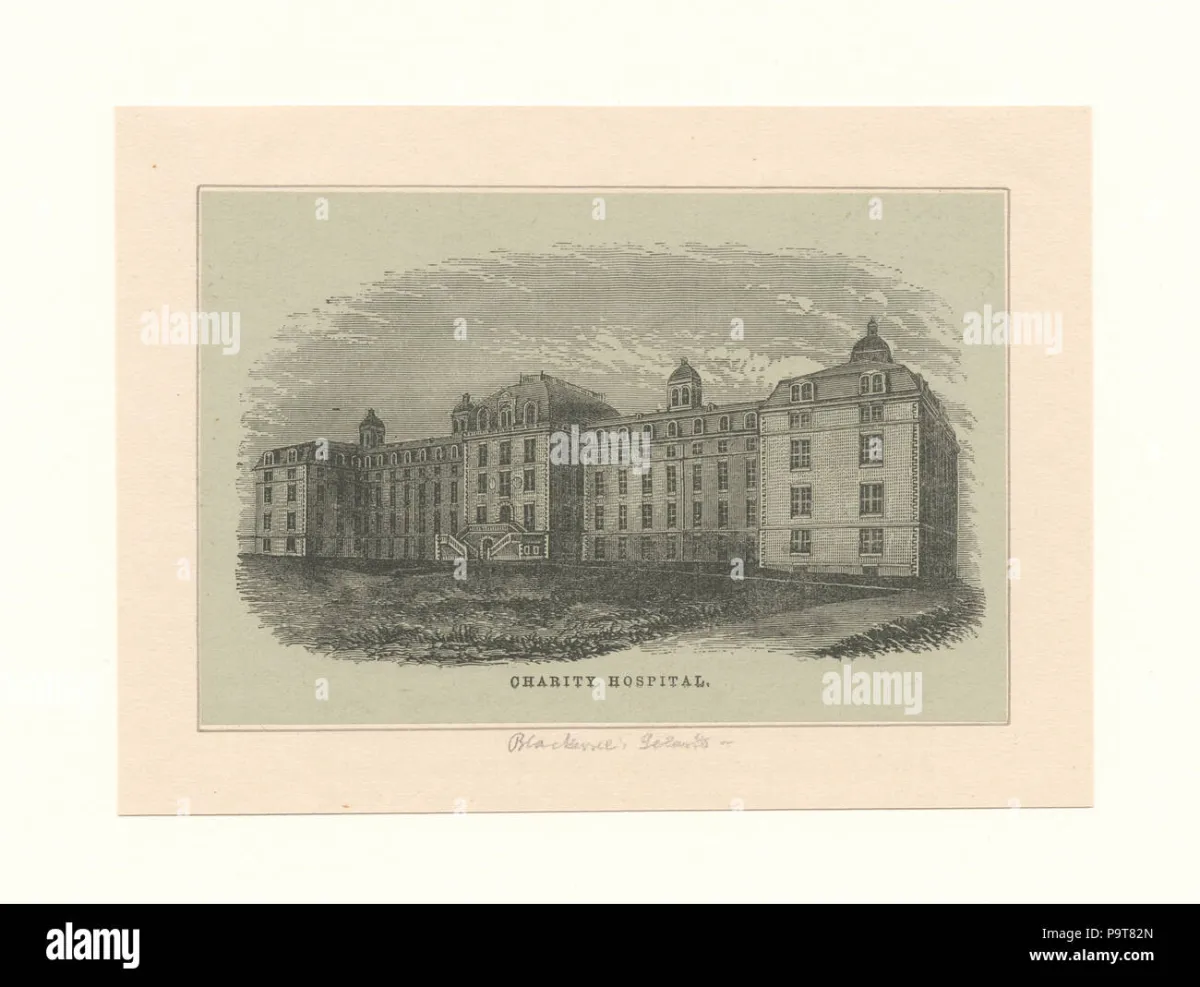 Photo: Blackwell's Island, via c8.alamy.com
The editors were skeptical. Undercover journalism was almost unheard of, especially for women. But Elizabeth had something they couldn't teach and couldn't fake—she knew exactly what it felt like to be trapped in the system she wanted to expose.
She adopted the pen name Nellie Bly and began preparing for the performance of her lifetime.
Ten Days in Hell
In September 1887, Bly checked into a women's boarding house and began acting erratically. She stared at walls, claimed to hear voices, and spoke with a fake accent. Within 24 hours, she was declared insane and shipped to Blackwell's Island.
What she found there was even worse than her teenage experience. Patients were fed spoiled food, forced to sit in silence for hours, and beaten for the smallest infractions. The "treatments" were medieval. The staff ranged from indifferent to sadistic.
Bly endured ten days of this hell, taking mental notes she couldn't write down, memorizing details she would later expose to the world.
The Story That Changed Everything
When Bly's articles appeared in the World, they didn't just make headlines—they made history. "Ten Days in a Mad-House" became a sensation, selling out newsstands and sparking outrage across the country. Suddenly, everyone was talking about the horrors hidden behind asylum walls.
But Bly had done something more revolutionary than just good reporting. She had proven that the best way to tell a story was to live it first. Her firsthand experience gave her writing an authenticity that no external observer could match.
From Setback to Superstar
The asylum exposé launched Bly into the stratosphere of American journalism. She became the World's star reporter, tackling stories no one else would touch. She went undercover in sweatshops, exposed corrupt lobbyists, and investigated everything from baby-buying schemes to political corruption.
In 1889, she convinced her editors to fund the most ambitious stunt in journalism history: a race around the world to beat the fictional record set in Jules Verne's "Around the World in Eighty Days." She completed the journey in 72 days, becoming an international celebrity in the process.
The Business of Truth-Telling
By the 1890s, Bly wasn't just writing stories—she was shaping the entire industry. Her success proved that readers craved authentic, experiential journalism. Newspapers across the country began hiring women reporters and investing in undercover investigations.
When she married industrialist Robert Seaman in 1895, many assumed her career was over. Instead, she became one of America's first female CEOs, taking over his manufacturing companies after his death and implementing revolutionary worker benefits like healthcare and recreational facilities.
The Credential No School Could Provide
Here's what makes Bly's story so remarkable: her greatest professional asset was her most traumatic personal experience. The asylum wasn't just a setback she overcame—it was the foundation of everything that followed.
Her time as a patient gave her credibility no journalism school could provide. When she wrote about institutional abuse, readers knew she had lived it. When she investigated corruption, her own experience with powerlessness made her fearless.
The Legacy of Looking Back
When Nellie Bly died in 1922, newspapers across the country mourned "the best reporter in America." But her real legacy wasn't just in the stories she told—it was in proving that our worst experiences can become our greatest qualifications.
Today's investigative journalists still follow the template Bly created: immerse yourself in the story, experience it firsthand, and never let anyone tell you that your background disqualifies you from seeking the truth.
The girl who was locked away for being too difficult became the woman who made difficulty into a career. Sometimes the very thing the world tries to silence becomes the voice it most needs to hear.