The Language Barrier That Built a Superhero
Joe Shuster was nine years old when his family moved from Toronto to Cleveland in 1924. He spoke English well enough for a Canadian kid, but American slang, idioms, and cultural references might as well have been hieroglyphics.
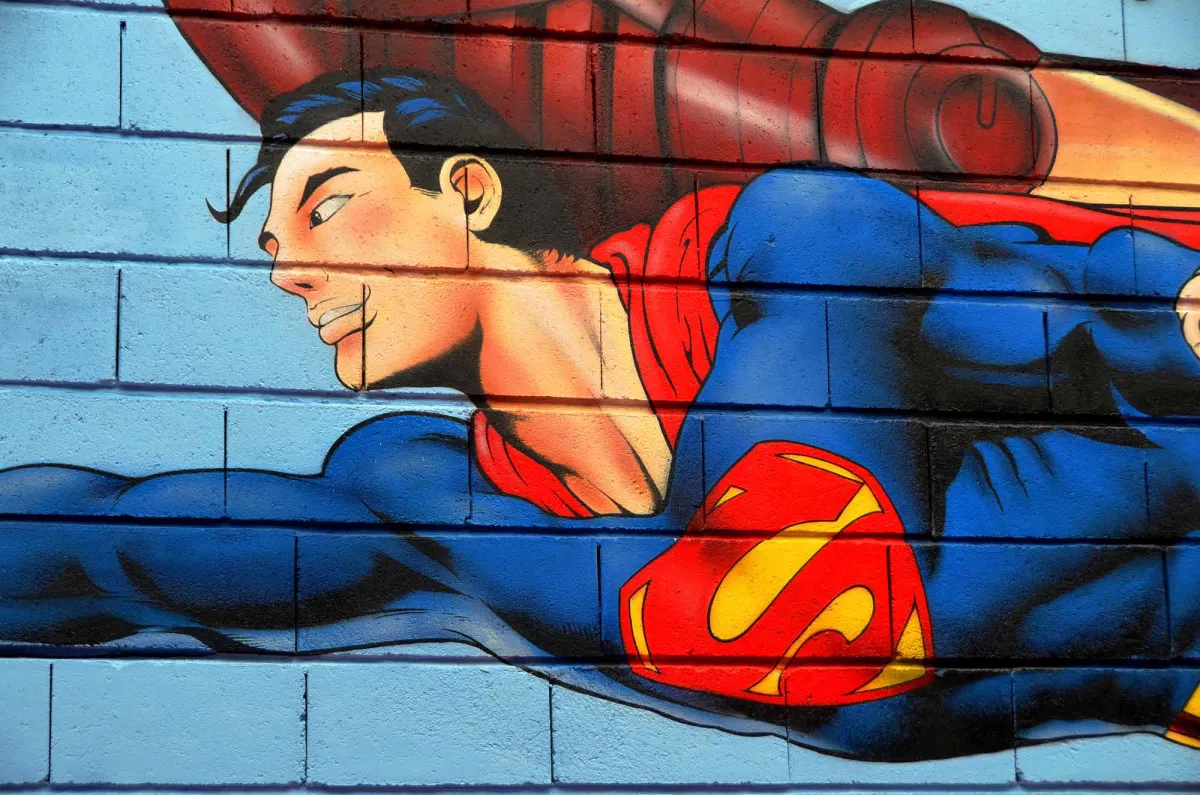 Photo: Joe Shuster, via d3d0lqu00lnqvz.cloudfront.net
While other children chattered on playgrounds, Joe retreated into his sketchbook. Pictures needed no translation. A drawing of a man flying didn't require explanation in any language. Visual storytelling became his native tongue.
What seemed like social isolation was actually intensive training in the most universal form of communication humans possess: the image.
Drawing What Words Couldn't Express
Joe's immigrant experience shaped his artistic vision in ways that native-born Americans couldn't replicate. He understood what it felt like to be an outsider, to possess abilities others couldn't recognize, to feel simultaneously powerful and powerless.
These feelings would later manifest in his most famous creation, but first they drove him to master visual narrative with obsessive precision. If he couldn't rely on dialogue to carry his stories, every panel had to communicate through composition, expression, and movement.
Joe studied newspaper comic strips like other kids studied textbooks. He analyzed how artists used perspective to create drama, how facial expressions conveyed emotion across cultural boundaries, how action sequences could make readers feel movement on static pages.
The Partnership That Changed Everything
At Glenville High School, Joe met Jerry Siegel, a writer who shared his passion for science fiction and adventure stories. Jerry had words; Joe had images. Neither could succeed alone, but together they discovered they could create worlds.
 Photo: Jerry Siegel, via i.pinimg.com
Their collaboration was born from complementary limitations. Jerry's stories needed visual power to reach readers. Joe's art needed narrative structure to sustain interest. Their partnership became a masterclass in how creative constraints force innovation.
Working in Jerry's bedroom, they developed a visual language that would define American comic books. Joe's panels didn't just illustrate Jerry's words—they expanded them, contradicted them, and sometimes replaced them entirely.
Visual Innovation from Necessity
Joe's immigrant perspective led to visual innovations that native-born artists missed. He understood that American readers craved stories about belonging, about finding your place in a new world, about discovering hidden strengths.
His art style reflected this outsider's view of America. He drew cities that looked simultaneously familiar and fantastic, heroes who appeared ordinary until they revealed extraordinary abilities, and scenes that captured the immigrant dream of transformation.
Most importantly, Joe pioneered visual techniques that made complex emotions readable across language barriers. His character expressions, body language, and panel compositions worked for readers regardless of their English proficiency.
Superman: The Ultimate Immigrant Story
When Joe and Jerry created Superman in 1938, they crafted the perfect immigrant narrative disguised as a superhero story. An alien child sent to America, raised by adoptive parents, struggling to fit in while hiding his true nature—the parallels to Joe's experience were unmistakable.
Joe's visual design for Superman reflected his understanding of American iconography filtered through an immigrant lens. The costume combined elements that felt both foreign and familiar: the cape suggested classical heroism, the "S" symbol provided instant recognition, and the primary colors evoked American patriotism.
But Joe's real innovation was in how he drew Superman's dual identity. Clark Kent's posture, expressions, and body language told a complete story about code-switching, about presenting different versions of yourself to different audiences—experiences every immigrant understood intimately.
Transforming American Visual Culture
Superman's success launched the superhero genre and established comic books as legitimate American entertainment. But Joe's deeper influence came through the visual storytelling techniques he developed from necessity.
His panel layouts, character designs, and action sequences became the template for American comics. Artists who grew up speaking English adopted visual languages Joe had developed specifically to overcome linguistic barriers.
Joe's work proved that the most universal stories often come from the most specific experiences. His immigrant perspective didn't limit his appeal—it expanded it, creating narratives that resonated across cultural boundaries.
Beyond the Comics Page
Joe's visual innovations influenced American storytelling far beyond comic books. His techniques for conveying motion, emotion, and narrative through images shaped animation, advertising, and eventually film and television.
Directors studying Joe's panel compositions learned how to frame action sequences. Advertisers adopted his methods for creating instant visual recognition. Animators borrowed his approaches to character design and movement.
The visual language Joe developed to overcome his linguistic limitations became part of how America tells stories to itself and the world.
The Irony of Success
Joe Shuster never became wealthy from Superman, despite creating one of the most valuable characters in entertainment history. Legal battles over rights and royalties overshadowed his artistic achievements for decades.
But his true legacy lies in how he transformed American visual culture. The boy who couldn't find his voice in English created a visual vocabulary that became the foundation of an entire art form.
Joe proved that limitations often spark the most significant innovations. His inability to rely on words forced him to develop visual storytelling techniques that native speakers never would have discovered.
The Language of Images
Joe Shuster's story demonstrates how cultural exclusion can become creative fuel. Forced to communicate through pictures, he developed a visual language more powerful than words.
His immigrant experience didn't handicap his artistic development—it supercharged it, creating perspectives and techniques that transformed how Americans consume visual narratives.
In a nation built by immigrants, Joe's story reminds us that the voices that seem most foreign often have the most original things to say. Sometimes the greatest innovations come not from those who master the existing language, but from those who must invent entirely new ways to communicate.
The boy who arrived in America without the right words ended up giving the country a new visual vocabulary—one that continues to shape how stories are told nearly a century later.