The Making of a Professional Failure
By 1955, Joseph Heller was running out of chances. The 32-year-old had been kicked out of the military, couldn't get his screenplays produced in Hollywood, and was teaching composition classes at Pennsylvania State University while watching his dreams slowly die.
 Photo: Pennsylvania State University, via psu-gatsby-files-prod.s3.amazonaws.com
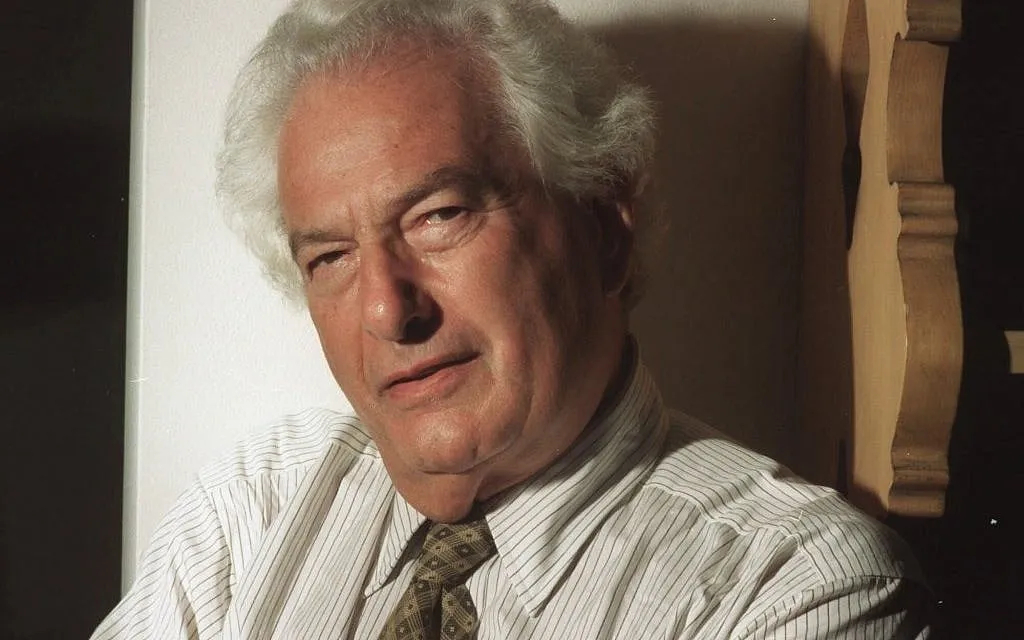 Photo: Joseph Heller, via static-cdn.toi-media.com
His war record was unimpressive. His writing career was nonexistent. His bank account was empty. By every conventional measure, Joseph Heller was a failure.
He had no idea he was about to write the book that would define how America thought about war, bureaucracy, and the absurdity of modern life.
The War That Wouldn't Let Go
Heller had served as a bombardier in World War II, flying 60 combat missions over Italy and southern France. But unlike most war veterans, he didn't come home with heroic stories or proud memories. He came home confused, angry, and deeply disturbed by what he'd seen.
The military had discharged him without fanfare. Hollywood had rejected his scripts. Even his fellow veterans seemed to remember a different war than the one he'd experienced. Heller began to wonder if he was the only one who remembered how insane it all really was.
The Idea That Wouldn't Die
In 1953, while riding the subway to his advertising job at Time magazine, Heller suddenly heard a voice in his head: "It was love at first sight. The first time Yossarian saw the chaplain, he fell madly in love with him."
The sentence made no sense, but it wouldn't leave him alone. For weeks, he carried it around like a splinter in his mind, adding details, building characters, constructing a world where nothing made sense because the real world made no sense either.
He started writing what would become Catch-22 on nights and weekends, stealing time from his day job and his family to chase something he couldn't even name.
The Novel Nobody Wanted
For seven years, Heller worked on his book in secret. He wrote during lunch breaks, on commuter trains, and in the early hours before his children woke up. When he finally finished in 1960, he was sure he had created something special.
The publishing world disagreed.
Agent after agent rejected the manuscript. The few editors who read it called it "too weird," "uncommercial," or simply "unpublishable." The war novel market was saturated, they said. Readers wanted heroes, not the collection of madmen and cowards Heller had created.
The Catch-22 of Publishing
When Simon & Schuster finally agreed to publish the book in 1961, even they weren't sure what they had. The initial print run was small, the marketing budget smaller. Early reviews were mixed at best. Many critics dismissed it as an incomprehensible mess.
Heller watched his dream finally reach bookstores and then sit there, largely ignored. For months, it seemed like his eight years of work had produced just another literary failure.
But something strange was happening in college bookstores and coffee shops across America. Students were discovering Catch-22 and passing it to friends like a secret code. The book that made no sense to critics was making perfect sense to a generation that was starting to question everything.
When Failure Becomes Prophecy
By 1970, Catch-22 had sold over 10 million copies. The phrase "catch-22" had entered the American vocabulary as shorthand for impossible situations and bureaucratic absurdity. College students carried dog-eared copies like bibles. The book that nobody wanted had become the novel that defined the Vietnam generation.
Heller's years of professional rejection suddenly looked like preparation rather than failure. His inability to fit into military life, Hollywood formulas, or publishing expectations hadn't been weaknesses—they had been the exact qualifications needed to write the most authentic anti-establishment novel of the century.
The Paradox of Perfect Timing
Here's what makes Heller's story so remarkable: his book succeeded precisely because he had failed at everything else. His military washout gave him the perspective to see war's absurdity. His Hollywood rejections freed him from commercial formulas. His years in advertising taught him how institutions manipulate language and truth.
Every setback had been research for the book he didn't know he was meant to write.
The Business of Being Misunderstood
Catch-22's success created a new market for anti-war literature and dark comedy. Publishers who had rejected Heller were suddenly looking for the "next Catch-22." The outsider perspective that had made him unemployable made him invaluable.
Heller never wrote another book as successful as Catch-22, but he didn't need to. He had created something that outlasted wars, presidencies, and cultural movements. The failed bombardier had become the voice of American disillusionment.
The Logic of Illogic
When Joseph Heller died in 1999, obituaries around the world struggled to summarize his impact. How do you measure the influence of a book that taught an entire generation to laugh at authority, question logic, and embrace the absurd?
The answer might be in the phrase he gave us: it's a catch-22. The very impossibility of measuring his impact proves how profound it was.
Today, whenever someone describes a no-win situation as a "catch-22," they're quoting the man who was too much of a failure to succeed at anything except changing how America thinks about success itself.
Sometimes the most important stories come from people who don't fit anywhere else. Sometimes the best way to understand the system is to be rejected by it completely. And sometimes, the voice the world needs most is the one it spent years trying to silence.