The Doctor's Verdict
The audiologist's words were clinical and final: "She'll never be a musician." Eight-year-old Evelyn Glennie sat in the sterile examination room, watching her parents absorb the diagnosis. Progressive hearing loss. Severe. Irreversible.
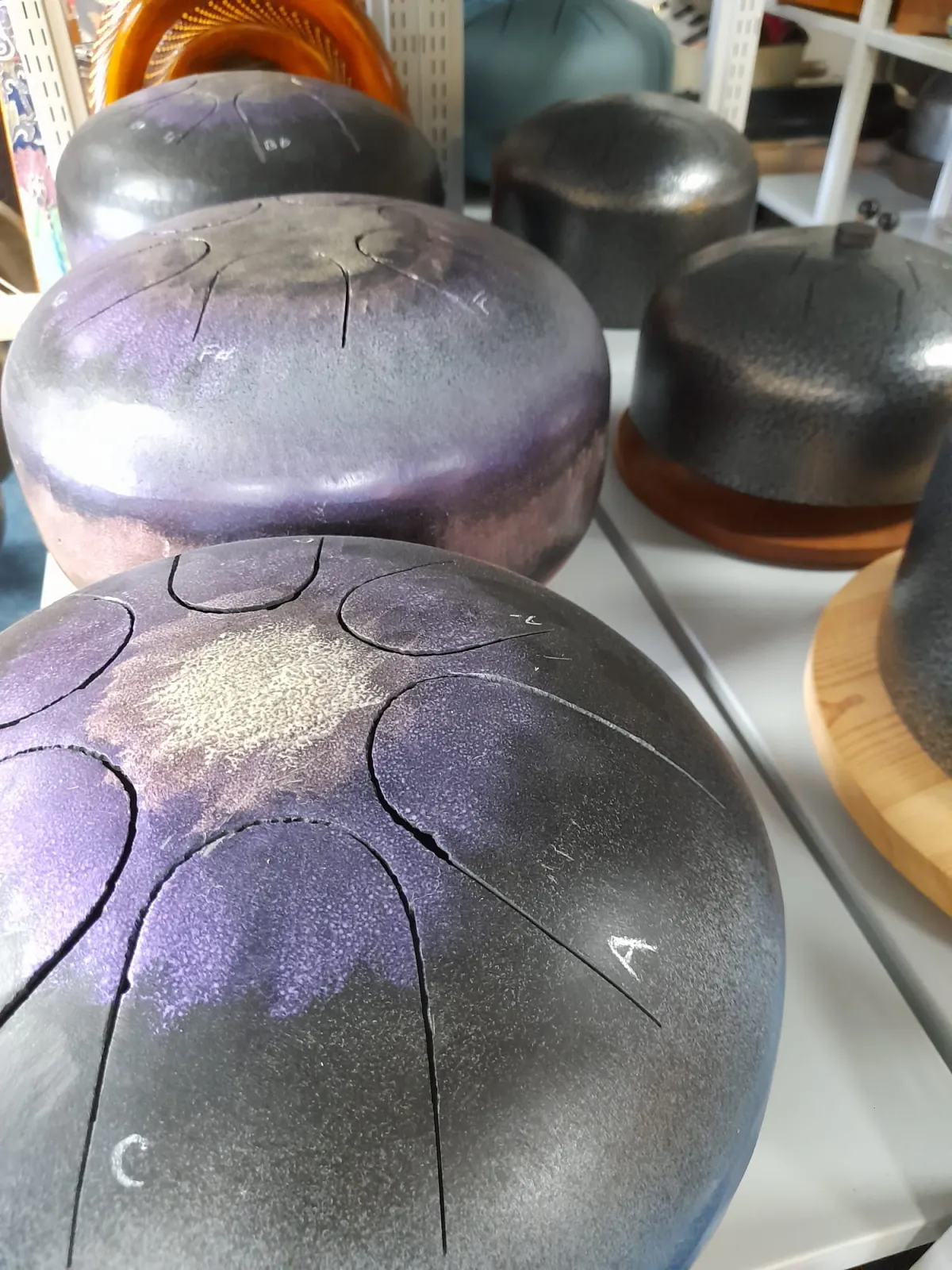 Photo: Evelyn Glennie, via www.evelyn.co.uk
For most families, this would have meant piano lessons canceled, dreams redirected toward "practical" pursuits. But Evelyn had already discovered something the medical establishment couldn't measure on their charts—music wasn't just something you heard. It was something you felt.
Finding Sound in Silence
Growing up on a farm in rural Scotland, Evelyn had learned to read the world through vibration. She could sense her father's approach by the rhythm of his footsteps on wooden floors. The rumble of tractors spoke to her through the ground. When she pressed her hands against the piano, melodies traveled through her bones.
But the music teachers didn't understand. They saw a disabled child, not a different kind of listener. Conservatory after conservatory turned her away. "How can you play music if you can't hear it?" they asked, missing the point entirely.
Evelyn's response was to prove them wrong through sheer persistence. She learned to "hear" through her feet, feeling the orchestra's pulse through the concert hall floor. She watched conductors' movements like a dancer reads choreography. Most importantly, she discovered that rhythm—the heartbeat of all music—lived in her body, not her ears.
The Percussion Revolution
In the 1980s, solo percussion was virtually unknown. Drummers stayed in the back, keeping time for "real" musicians. The idea of a percussionist commanding center stage seemed absurd—especially one who couldn't hear in the traditional sense.
Evelyn changed everything. Her first solo performances left audiences stunned, not out of pity, but out of genuine awe. Here was someone who didn't just play instruments—she conversed with them. Her hands found voices in objects others saw as mere noise-makers: wine glasses, flower pots, pieces of scrap metal.
American audiences initially came for the novelty—the deaf girl who somehow made music. They left understanding that they'd witnessed something revolutionary. Evelyn wasn't compensating for a disability; she was accessing music from an entirely different dimension.
Teaching America to Listen
By the 1990s, Evelyn was touring major American concert halls, but her real impact came through education. She visited schools across the country, demonstrating that music wasn't confined to traditional instruments or conventional hearing.
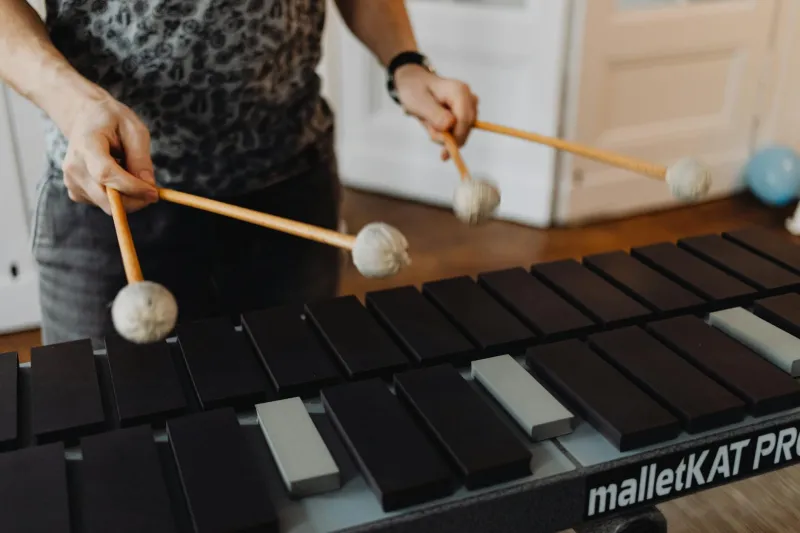
She'd have students remove their shoes and feel the vibrations of her marimba through the gymnasium floor. She taught them to "see" rhythm in the movement of her mallets, to understand that sound was as much about physical sensation as auditory reception.
For deaf and hard-of-hearing American students, Evelyn's visits were life-changing. Here was proof that their perceived limitation could become their greatest strength. But her influence extended far beyond the deaf community—she was teaching everyone to experience music more fully.
Beyond the Concert Hall
Evelyn's impact on American culture extended into unexpected territories. Composers began writing pieces specifically for her unique abilities, creating works that existed at the intersection of sound and silence. Her collaborations with jazz musicians, electronic artists, and even rock bands challenged every assumption about musical boundaries.
Her work with major orchestras across America—from the Boston Symphony to the Los Angeles Philharmonic—forced institutions to reconsider accessibility. Concert halls installed tactile elements for deaf patrons. Musicians learned to communicate through gesture and movement, not just verbal instruction.
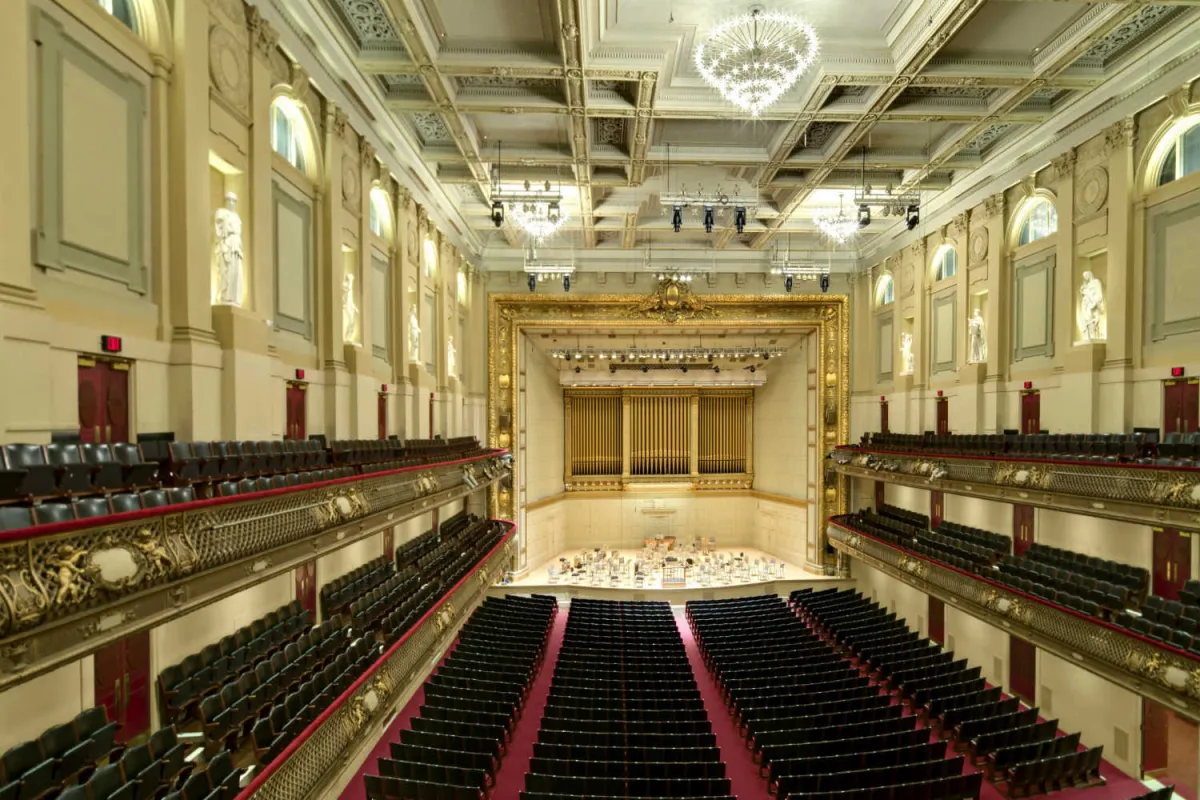 Photo: Boston Symphony, via wsdg.com
The Ripple Effect
Today, percussion ensembles are standard in American schools. Solo percussionists headline major venues. The idea that rhythm instruments could carry an entire performance no longer seems impossible—it seems obvious.
But Evelyn's deeper legacy lies in how she expanded the definition of musical ability itself. She proved that perceived limitations often mask unexplored strengths. Her career became a masterclass in turning exclusion into innovation.
Listening with the Whole Body
Evelyn Glennie never "overcame" her hearing loss—she transformed it into her greatest asset. While others heard music as sound waves traveling through air, she experienced it as energy moving through matter, space, and time.
Her story challenges every assumption about disability, talent, and the nature of art itself. In a world obsessed with what people can't do, Evelyn focused relentlessly on what she could do differently—and better.
The doctors who told her to forget about music couldn't have been more wrong. She didn't just become a musician despite her hearing loss. She became a revolutionary because of it, teaching America that the most powerful music isn't always the kind you hear with your ears—sometimes it's the kind you feel with your entire being.