The Restaurant That Wasn't Supposed to Fail
By 1942, James Beard should have been on top of the culinary world. His Manhattan restaurant, Hors d'Oeuvre Inc., was the talk of New York's social scene. He was catering the city's most exclusive parties, crafting elaborate appetizers for Park Avenue socialites, and building what looked like a food empire.
Then World War II hit, and everything fell apart.
Rationing killed his supply chains. His wealthy clientele disappeared into war work or fled the city. The elaborate hors d'oeuvres that made his reputation suddenly seemed frivolous in a world where sugar and butter were scarce commodities.
Beard watched his business hemorrhage money for two years before admitting defeat. The restaurant that was supposed to establish his culinary legacy closed in 1944, leaving him broke and professionally adrift at age 41.
But that was just the warm-up for the real catastrophe.
The Fire That Changed Everything
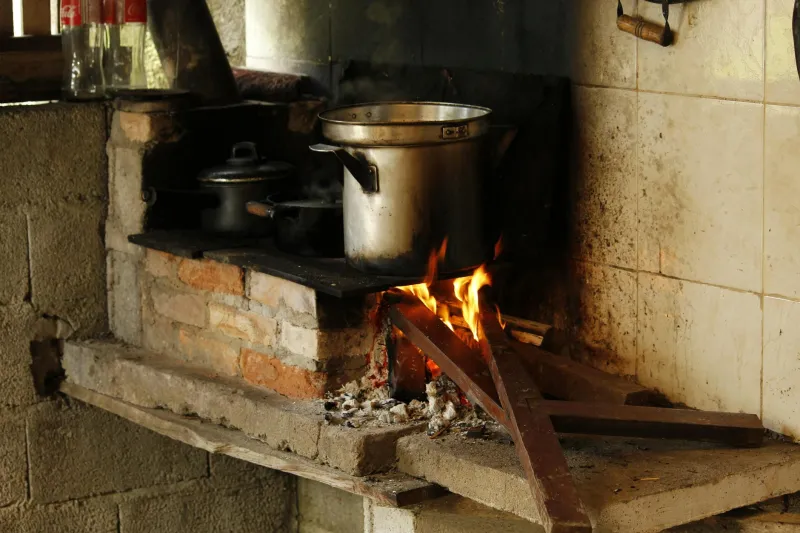
The kitchen fire started on a Tuesday night in 1946. Beard had been trying to rebuild, working out of a small catering operation in a rented space on the Lower East Side. Nothing fancy this time — just honest cooking for middle-class clients who actually showed up.
The exact cause was never determined. Grease fire, electrical fault, or just the accumulated exhaustion of equipment pushed too hard for too long. What mattered was the result: everything burned.
Not just the kitchen equipment or the food inventory. Everything. His recipes, his client lists, his professional reputation, his financial cushion, his confidence that he understood what he was supposed to be doing with his life.
Beard stood in the charred remains of his second failed business and realized he had to start over completely. Again.
The Pivot Nobody Saw Coming
What happened next surprised everyone, including Beard himself.
Instead of trying to rebuild another restaurant, he started writing. Not restaurant reviews or culinary criticism — he had no credentials for that. Instead, he began documenting the simple American food he'd grown up eating in Oregon. The pot roasts and corn breads and berry pies that seemed impossibly humble compared to the sophisticated hors d'oeuvres that had made his name.
Friends thought he'd lost his mind. "You're going to write about American cooking?" they asked. This was 1947. Serious food meant French cuisine. American cooking was what you ate when you couldn't afford better.
But Beard had spent two years watching his elaborate creations fail to connect with people who were just trying to feed their families. The fire had burned away his pretensions along with everything else.
The Cookbook That Almost Wasn't
The manuscript that became "The Fireside Cook Book" was rejected by the first seven publishers who saw it. Too simple, they said. Too American. Who wanted to read about meatloaf when they could learn about coq au vin?
Beard kept writing anyway. Partly because he needed the money, but mostly because the fire had clarified something for him. He wasn't trying to impress anyone anymore. He was trying to capture the flavors that actually mattered to people.
The breakthrough came when editor Angus Cameron at Simon & Schuster saw the manuscript. Cameron understood what others had missed: Beard wasn't just writing recipes. He was documenting a cuisine that nobody had bothered to take seriously.
The Voice That Emerged From Wreckage
When "The Fireside Cook Book" was published in 1949, it did something unprecedented. It treated American home cooking as worthy of attention, celebration, and careful documentation.
Beard's writing voice was conversational, unpretentious, and completely confident in ways his earlier work had never been. He wrote about food the way people actually cooked and ate it — with affection, practicality, and respect for ingredients that didn't require a specialty store.
The book was an immediate success, but more importantly, it established the template for everything Beard would do for the next 35 years. He had found his true calling not in the elaborate restaurant cuisine he'd pursued for decades, but in the simple American cooking he'd almost forgotten he loved.
The Empire Built on Simplicity
The success of "The Fireside Cook Book" launched the career that made James Beard a household name. Twenty-two more cookbooks followed, along with cooking shows, a cooking school, and a level of influence over American food culture that his restaurant never could have provided.
But none of it would have happened without the failures that preceded it. The restaurant that closed, the catering business that burned, the years of professional uncertainty that forced him to reconsider everything he thought he knew about food.
The Lesson Hidden in the Ashes
Beard later said the kitchen fire was "the best thing that ever happened to me professionally." Not because he enjoyed watching his life's work burn, but because the destruction forced him to discover who he really was as a chef and writer.
The elaborate hors d'oeuvres and sophisticated restaurant cuisine had been someone else's idea of what success should look like. The simple American cooking that made him famous was what he'd always been meant to do — he just needed everything else to burn down before he could see it clearly.
The Foundation That Endures
Today, the James Beard Foundation is the most prestigious organization in American food culture. The annual James Beard Awards are considered the Oscars of the culinary world. His influence on how Americans think about food is immeasurable.
None of that legacy traces back to the restaurant that failed or the catering business that burned. It all stems from the cookbook he wrote in the aftermath, when he finally stopped trying to be something he wasn't and started celebrating what he'd always been.
Sometimes the most important thing a fire can do is burn away everything that was keeping you from seeing clearly. For James Beard, losing everything was the only way to find what he was really looking for.