The Last One Chosen, The First One Back: How a Lifetime of Rejection Built the Most Unlikely Sports Dynasty in America
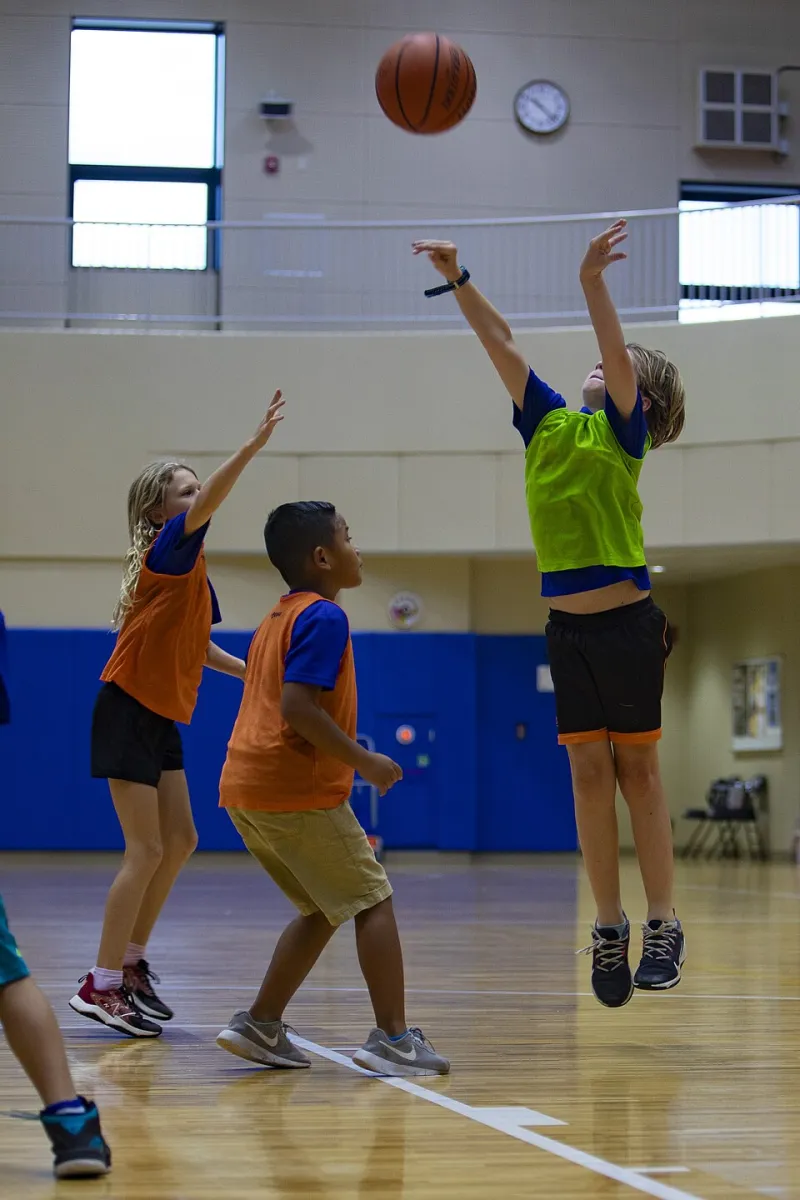
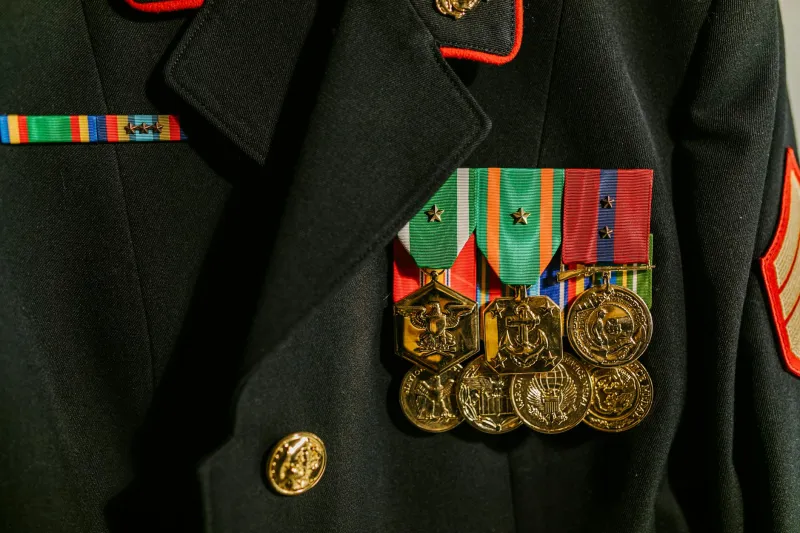
Photo: U.S. Marine Corps photo by Lance Cpl. Dahkareo Pritchett, Public domain, via Wikimedia Commons
The Last Name on Nobody's List
Every athlete who ever got cut knows the particular quality of that silence — the one that follows the coach's announcement, when the names that made it are read aloud and yours isn't among them. It's not a loud kind of pain. It's a quiet one. The kind that settles in and stays.
For the man at the center of this story, that silence was a recurring theme. He was cut from his high school varsity squad. He tried out at the junior college level and didn't make it. A brief, hopeful attempt at a semi-competitive recreational league ended the same way. By his mid-twenties, the message from the organized sports world was consistent and clear: you're not what we're looking for.
Most people, receiving that message enough times, accept it and redirect their energy. He didn't redirect. He just changed direction.
The Only Door Still Open
The rec center where he ended up volunteering was not, by any measure, a promising environment. The gym floor had more dead spots than live ones. The equipment was outdated in ways that went beyond mere wear — some of it was simply broken, tagged for replacement years earlier and never actually replaced. The neighborhood around it was the kind that made headlines for the wrong reasons, and the kids who showed up on weekday afternoons were often there because they had nowhere better to be.
No one was fighting over the chance to coach them.
He took the job — unpaid at first, then paid at a rate that made unpaid seem almost generous — and did something that would turn out to matter enormously: he paid attention.
Not to the kids' raw athletic ability, which was genuinely uneven. He paid attention to the other things. Who showed up consistently, even when it was raining. Who helped a teammate without being asked. Who, after getting knocked down in a drill, took an extra second before getting back up — not from laziness, but from the private effort of deciding not to quit.
He recognized those qualities because he'd spent years cultivating them in himself. Rejection had been his training ground. Now he was looking for kids who could be trained the same way.
Coaching From the Inside of a Setback
There's a version of the inspirational sports coach story that's mostly about tactical genius — the Xs and Os, the innovative drills, the system that unlocks hidden potential. His story has some of that, but it's not really the point.
The point is what he understood about failure that most coaches didn't.
Having been told repeatedly that he wasn't good enough, he knew something his more celebrated peers often missed: the telling rarely reflects the truth. What gets evaluated in a tryout is a narrow slice of a person — their performance on a specific day, under specific conditions, measured against specific criteria that the evaluator has decided matter. What doesn't get evaluated is everything else. The resilience. The coachability. The willingness to do the unglamorous work that separates someone who plateaus from someone who keeps growing.
He built his program around the everything else.
The kids who came through his gym were drilled not just in fundamentals but in what he called — in his characteristically plain-spoken way — "the habits that outlast talent." Showing up on time. Communicating clearly with teammates. Handling a loss without letting it hollow you out. Handling a win without letting it make you soft.
These weren't life-skills lectures delivered alongside the sports training. They were woven into the training itself, inseparable from it. You learned to box out on the boards and you learned, through the same repetition, what it felt like to do something difficult until it became automatic.
What the Numbers Eventually Said
For years, what he was building was invisible to everyone outside the neighborhood. The rec center didn't generate press coverage. There were no championship banners going up — his teams competed at a level below the circuits that attracted attention. The parents who dropped kids off were grateful, but they weren't expecting miracles.
The miracles happened anyway, slowly enough that they almost looked like something else.
The first kid to get a college scholarship came as a genuine surprise — a lanky teenager who'd arrived at the rec center barely able to dribble and left four years later with a Division II offer in hand. Then another. Then, over the course of a decade that saw the program grow from a handful of regulars to a genuine institution in the community, a pattern emerged that was impossible to dismiss.
The college placement rate from his program was, statistically, extraordinary. Not just for a rec center. For any youth sports organization operating on comparable resources. A number of his former athletes went on to play professionally. Several became coaches themselves, a few of them explicitly modeling their approach on what they'd learned from him.
Sports analysts who eventually took notice struggled to explain it by conventional metrics. The facilities didn't justify it. The budget certainly didn't. The explanation, when they finally dug into it, came back to the same place every time: the coach.
The Rejection That Kept Giving
He's been asked, in the years since his program attracted wider recognition, whether he ever wished things had gone differently early on. Whether he resented the coaches who cut him, the tryouts that ended in disappointment, the athletic career that never materialized.
His answer is consistent and, if you think about it, quietly devastating in its logic: no.
Because if any of those doors had opened, he wouldn't have been standing in front of the one that mattered. If he'd made a varsity roster somewhere, or found a spot in a competitive league, he'd have been a player — probably a decent one, almost certainly not a remarkable one. The talent simply wasn't there at that level.
What was there, forged specifically by the experience of being turned away, was something rarer: a deep, personal understanding of what it costs to keep going when the systems that are supposed to recognize you don't. And an ability to see that quality in young people who hadn't yet learned to trust it in themselves.
The rec center still operates. The floor has been replaced twice since he started. The equipment is better. The neighborhood around it is complicated, as neighborhoods tend to be, but the program inside has become a kind of fixed point — the thing that stays when other things shift.
He built it out of everything that was left after the doors closed. It turns out that was more than enough.