Every Audition She Lost Became a Line She Wrote — Until Broadway Had No Choice
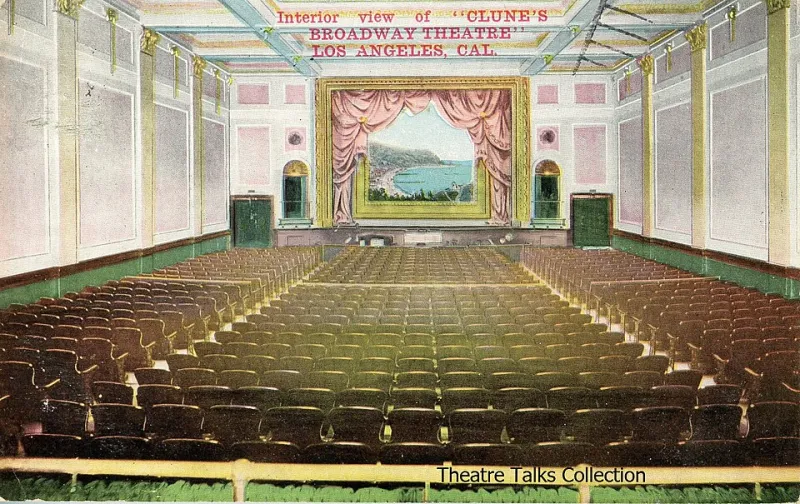
Photo: theatretalks, Public domain, via Wikimedia Commons
The entertainment industry has always been efficient at telling people who they're allowed to be. In the 1950s, that efficiency was particularly ruthless for a young Black woman from Chicago who wanted to make art about the full complexity of Black American life. The industry had a narrow slot available, and Lorraine Hansberry didn't fit it. What she did with that rejection is the reason her name is still spoken with reverence in every serious theater program in the country.
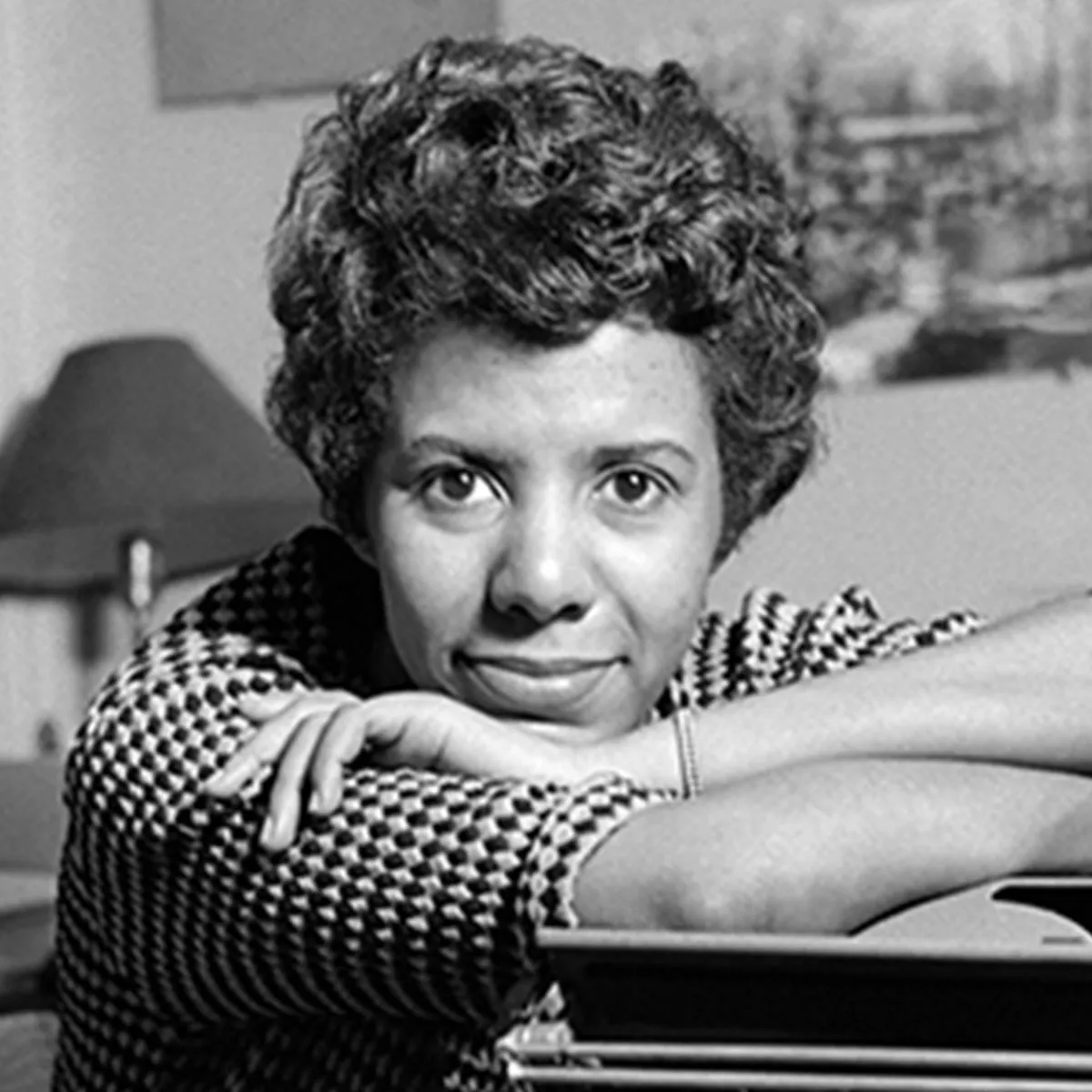 Photo: Lorraine Hansberry, via www.pbs.org
Chicago Roots, New York Walls
Hansberry grew up on the South Side of Chicago in a family that understood, firsthand, how structural exclusion worked. When she was eight years old, her father Carl Hansberry purchased a home in a white neighborhood and was met with a violent mob. The family refused to leave. The case went to the Supreme Court — Hansberry v. Lee, 1940 — and became part of the legal architecture that eventually challenged racially restrictive housing covenants.
She grew up, in other words, knowing that institutions draw lines and that those lines can be moved. That knowledge would prove useful.
She arrived in New York City in 1950 at nineteen, hungry for the cultural life she'd glimpsed from a distance and determined to be part of it. She wrote. She read voraciously. She worked on a progressive newspaper called Freedom, where she developed her political thinking and her prose style simultaneously. She was in the orbit of Paul Robeson, W.E.B. Du Bois, and a circle of Black intellectuals who were thinking seriously about art as a form of resistance.
But she also wanted to work in theater. And theater, in the early 1950s, was not especially interested in what she had to offer.
The Shape of Closed Doors
The barriers Hansberry faced weren't always explicit. Rarely does a casting director say, out loud, that a Black woman writer doesn't fit the vision. The rejection comes in softer forms: the unanswered pitch, the polite pass, the suggestion that the material isn't quite right for the market, the role that goes to someone else without explanation. Accumulated over time, those soft rejections harden into a wall.
Hansberry encountered that wall repeatedly. The commercial theater world of the 1950s was dominated by a narrow conception of what stories deserved to be told at the highest level and whose voices were qualified to tell them. Black stories, when they appeared at all, were often filtered through white creative frameworks or reduced to simplified versions of struggle that didn't threaten the comfort of predominantly white audiences.
Hansberry wasn't interested in comfort. She was interested in truth. And the truth she wanted to tell — about a Black family in Chicago navigating the specific tensions of aspiration, dignity, racism, and intergenerational conflict — didn't have a clear commercial home.
So she wrote it herself.
The Play That Changed the Calculus
She began working on A Raisin in the Sun in the mid-1950s, drawing on her own family's experience, on the neighborhood she'd grown up in, on the conversations she'd had around kitchen tables and in meeting halls. The title came from Langston Hughes — "What happens to a dream deferred? Does it dry up like a raisin in the sun?" — and the question animated every character she created.
The Younger family at the center of the play wasn't a symbol or a lesson. They were people: complicated, contradictory, loving, frustrating, fully human in all the ways that stage characters so rarely are when they're written to represent rather than to live. Walter Lee Younger's hunger for something more wasn't noble or ignoble — it was recognizable. Lena Younger's faith wasn't simple piety — it was load-bearing. Beneatha's ambition wasn't a political statement — it was a young woman trying to figure out who she was allowed to become.
The play found its way to producers Philip Rose and David Cogan, who spent more than a year raising money for it — no established Broadway investors wanted to touch it. They went outside the usual channels, collecting small investments from individuals who believed in the project. Eventually, they had enough.
A Raisin in the Sun opened on Broadway at the Ethel Barrymore Theatre on March 11, 1959. Lorraine Hansberry was twenty-eight years old. It was the first play by a Black woman ever to reach Broadway, and it was directed by Lloyd Richards — the first Black director to helm a Broadway production.
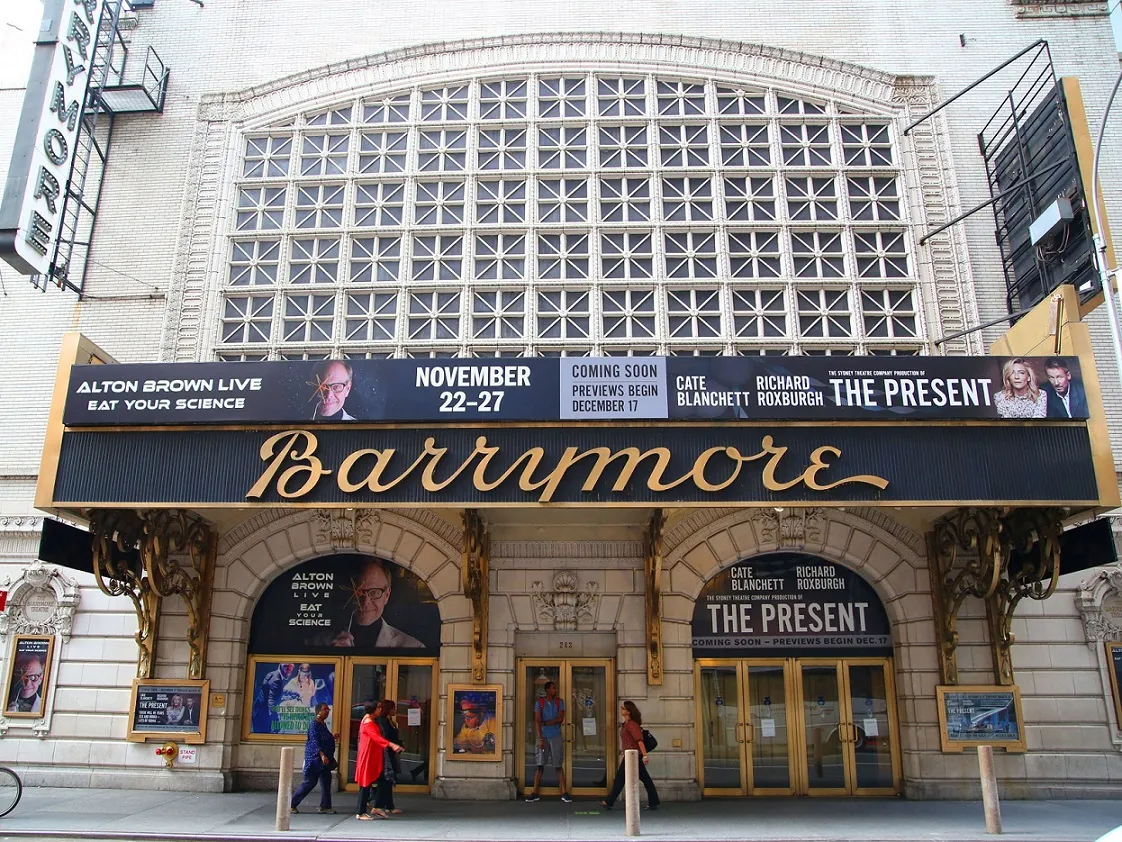 Photo: Ethel Barrymore Theatre, via photos.wikimapia.org
It ran for 530 performances. It won the New York Drama Critics' Circle Award for Best Play, making Hansberry the first Black writer and the youngest American to receive that honor. Sidney Poitier, Ruby Dee, Claudia McNeil, and Diana Sands were in the original cast.
What the Rejection Actually Did
It would be wrong to say that Hansberry succeeded because she was excluded from the conventional paths. Talent is not produced by suffering, and the suggestion that hardship is a prerequisite for great art does a disservice to both the art and the person who made it.
But the specific shape of A Raisin in the Sun — its refusal to soften, its insistence on full humanity, its absolute rejection of the simplified Black narrative that commercial theater had previously been willing to accommodate — was not accidental. It was the product of a writer who had watched the industry long enough to understand exactly what it was leaving out, and who had accumulated enough frustration to make that absence the center of her work.
The doors that stayed closed told her what the industry was afraid of. She wrote directly toward that fear.
The Room She Built
Hansberry died in January 1965, at thirty-four, from pancreatic cancer. She left behind a body of work that extended well beyond Raisin — essays, speeches, a second play, The Sign in Sidney Brustein's Window — and a reputation that has only grown in the decades since her death.
But the through-line of her story is the one that matters most for anyone who's ever been told, explicitly or implicitly, that the room they want to enter isn't for them.
She didn't spend her career trying to fit into the space the industry had designated. She built a different space, one that reflected the full truth of what she knew and felt and understood. And then she brought it to the industry's door and made them open it.
The room she built is still standing. It's still changing what's possible. And it started with every door that closed in her face.