The Master of Lies Who Became Art's Greatest Truth-Teller
The Perfect Crime That Wasn't Perfect Enough
Frank Morrison had spent fifteen years perfecting the art of deception. By 1987, his forgeries hung in galleries from SoHo to Beverly Hills, commanding six-figure prices from collectors who never suspected they were buying elaborate lies. His Picassos fooled Sotheby's experts. His Van Goghs passed authentication tests that stumped museum curators.
 Photo: Frank Morrison, via i.pinimg.com
Then he made one mistake: he got greedy.
The FBI raid on his Brooklyn warehouse uncovered 847 forged paintings, 23 fake sculptures, and enough evidence to put him away for decades. But as agents catalogued his crimes, they discovered something unexpected — Morrison's knowledge of art fraud was encyclopedic, his understanding of authentication techniques unmatched by anyone in law enforcement.
"We had the best forger in America," recalls former FBI Art Crime Team coordinator Robert Wittman. "The question was: what do you do with someone like that?"
When Your Greatest Enemy Becomes Your Best Asset
Morrison's plea bargain was unconventional, to say the least. Instead of a twenty-year sentence, he received five years probation and an unusual condition: he would work with federal investigators to identify and recover stolen artwork.
The art world was skeptical. Museums that had unknowingly displayed his fakes were hardly eager to trust him with their authentication processes. Gallery owners who'd been burned by his deceptions wanted nothing to do with him.
But Morrison understood something that legitimate experts didn't: the mind of a criminal.
"When you've spent years figuring out how to fool people," Morrison explains, "you develop an instinct for when someone's trying to fool you. I could spot a fake Monet from across a room because I knew exactly how I would have faked it myself."
The Education No Art School Could Provide
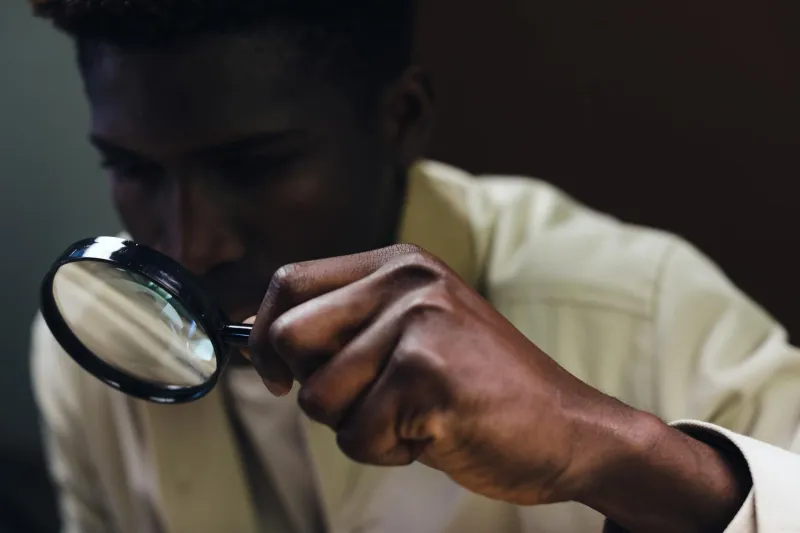
Morrison's criminal apprenticeship had been thorough. He'd studied brushstroke patterns under microscopes, analyzed paint chemistry, even aged canvases using techniques passed down through generations of forgers. He knew which pigments weren't invented until 1920, which varnishes darkened in predictable patterns, which signature styles artists abandoned after specific life events.
More importantly, he understood the psychology of fraud — how forgers thought, where they cut corners, what mistakes they inevitably made under pressure.
"Legitimate experts study art history," says Dr. Sarah Chen, director of authentication at the Metropolitan Museum. "Frank studied art criminals. There's a difference."
That difference became apparent during his first case. A wealthy collector in Connecticut suspected his newly acquired Cezanne was fake but couldn't prove it. Three authentication experts had certified it as genuine. Insurance companies were preparing to pay out $12 million.
Morrison spotted the problem in minutes.
"The brushwork was perfect, the composition was flawless, even the signature looked right," he recalls. "But the forger had made one tiny mistake — he'd used a canvas that was machine-stretched. Cezanne died in 1906. Machine-stretched canvases weren't commercially available until 1912."
Building Trust One Recovered Masterpiece at a Time
Word of Morrison's success spread through the insular world of high-end art dealing. Museums began quietly consulting him on questionable acquisitions. Insurance companies hired him to investigate suspicious claims. Auction houses started requesting his opinion on pieces with murky provenance.
Each successful case built his reputation, but Morrison knew he was walking a tightrope. One wrong call, one authentic piece labeled as fake, could destroy the credibility he'd spent years building.
"I had to be perfect," he says. "Art experts can afford to be wrong occasionally — they're still experts. I was a convicted felon. I had to be right every single time."
He was.
Over the next decade, Morrison's investigations led to the recovery of over $200 million worth of stolen artwork. He exposed forgery rings operating in four countries, identified authentication scams that had fooled major auction houses, and helped return dozens of pieces to their rightful owners.
The Unlikely Professor
In 2003, Morrison did something no one expected: he started teaching.
His course at New York's Fashion Institute of Technology, "Art Authentication and Fraud Detection," became one of the most sought-after classes in the program. Students included museum curators, insurance investigators, and FBI agents — people who once would have arrested him now hung on his every word.
"He taught us to think like criminals," recalls former student Jennifer Walsh, now head of security for the Guggenheim. "Not because we wanted to commit crimes, but because that's how you catch them."
Morrison's lectures were part art history, part crime procedural. He'd display two paintings side by side — one authentic, one forged — and challenge students to spot the differences. He'd explain how forgers aged paper using tea stains and oven heat, how they researched dead artists' personal lives to create convincing backstories for "newly discovered" works.
Most importantly, he taught them to trust their instincts.
"If something feels wrong, it probably is," became his signature advice. "Forgers are good, but they're not perfect. There's always something — you just have to know where to look."
The Redemption That Money Can't Buy
Today, at 67, Morrison runs the country's most respected art authentication consulting firm. His client list includes the Smithsonian, the Getty, and private collectors whose names appear on Forbes lists. He's testified in federal court over 200 times, and his authentication reports are accepted by insurance companies worldwide.
The man who once made millions selling lies now makes his living telling the truth.
"I can't undo what I did," Morrison reflects. "But I can make sure it doesn't happen to other people. Every fake I identify, every stolen piece I help recover — that's one less victim, one less crime."
His office walls are covered with thank-you letters from museums, photos of recovered masterpieces, and newspaper clippings about solved cases. But the item he treasures most is a simple certificate: his college diploma, earned at age 55 through night classes while building his legitimate career.
"I never finished high school," he says. "Thought I was too smart for school. Turns out I had a lot to learn."
The forger who once fooled the world's greatest experts now spends his days protecting the art he once exploited. It's an unlikely redemption story, but perhaps that's what makes it perfect — like the authentic masterpieces Morrison now guards, truth has a way of revealing itself, even when it comes from the most unexpected sources.