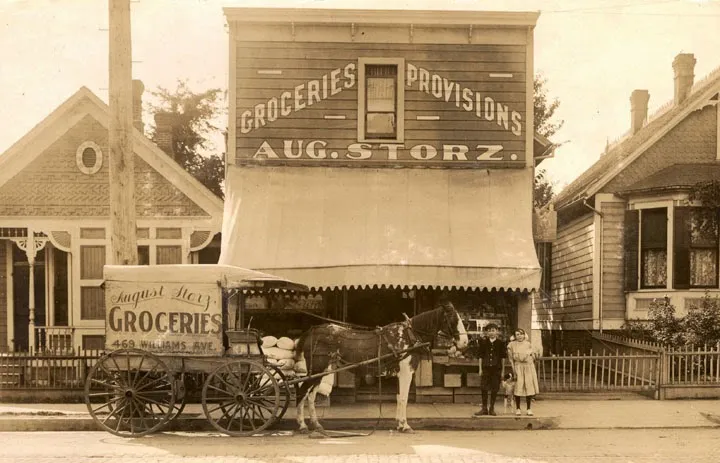
Nobody Wanted Her Chicken — Then the Whole Country Wanted It
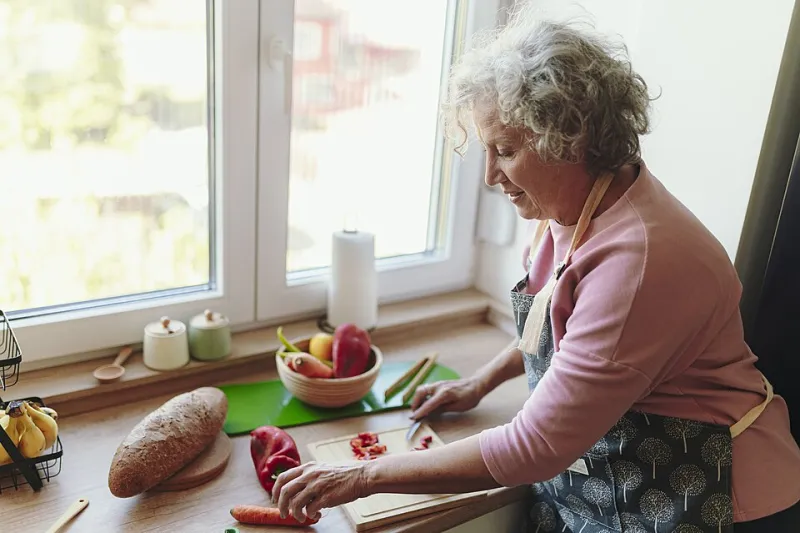
Photo: Shixart1985, CC BY 2.0, via Wikimedia Commons
The Rejection That Started Everything
The letter didn't come with an apology. It didn't need to. After years of pitching her family recipe to food companies across the country, the answer had become familiar: not interested, too niche, no market for it.
She was in her mid-sixties. Most people, at that point, would have taken the hint. She had worked her whole life, raised a family, and there was nothing wrong with slowing down. The food industry had made its decision, and the decision was no.
Instead, she did something that made no sense on paper. She went home to her own kitchen and started cooking for strangers.
Experience Is a Feature, Not a Bug
Here's what the food companies missed when they passed on her: she wasn't a novice with a lucky recipe. She was a woman with decades of cooking, selling, and reading people behind her. She knew how to stretch a dollar because she'd had to. She knew how flavors worked because she'd been adjusting them for a living audience — her own family — for half a century.
That's the quiet truth about entrepreneurship in America. We love the story of the twenty-two-year-old in a garage, but the data tells a different story. The average age of a successful startup founder is well over forty. Older founders have lower failure rates, deeper networks, and — most importantly — fewer illusions about how hard the work will be.
She had all of that. What she didn't have was a single yes.
Cooking Her Way Out of the Corner
The early operation was as scrappy as it gets. A home kitchen. Local customers. Word of mouth passed between neighbors the way recipes always have been. There were no investors, no marketing budget, no consultants telling her how to scale.
But there was one thing the big companies couldn't replicate: authenticity. When customers bought from her, they were buying from the person who made it. Every jar, every order, every handshake carried her name on it — and she protected that name like it was the only asset she had. Because it was.
The quality control was brutal by modern standards. If a batch wasn't right, it didn't ship. Not because a manual said so, but because she could taste the difference and refused to let anyone else taste it either.
The Turning Point
Growth, when it came, came the way it always does for businesses built on something real: slowly, then all at once. Local stores started stocking her products. Regional distributors came calling. The same industry that had rejected her recipe now wanted a piece of it.
She didn't forget the rejections. By most accounts, she wore them lightly — a wink in interviews, a story told at dinners — but everyone around her knew those early no's were fuel. Every contract she negotiated, every batch standard she enforced, carried a little bit of that kitchen-table defiance.
What Her Story Says About Starting Late
We tend to treat age like a countdown when it's closer to a compounding account. Every year of work adds instincts you can't teach in an MBA program: how to spot a bad deal, how to treat a customer, how to survive a bad month without panicking.
The grandmother with the rejected recipe understood something the food executives didn't. They were evaluating a product line. She was betting a life. When the stakes are that personal, you bring a level of care no salaried manager can match.
The Lesson Worth Keeping
Her story isn't a fairy tale about luck or a single magic recipe. It's a case for refusing to let other people's timelines become your own. The industry said she was done at sixty-five. The customers who found her said otherwise — one order at a time.
If you're sitting on something the world has already rejected once, it might be worth asking the question she implicitly asked: what if the rejection wasn't the end of the idea, but the beginning of the business?
The companies that said no are footnotes now. The brand she built from a home kitchen is still on shelves. That's not a comeback story. That's a correction of the record.