She Watched the Sky From a Lonely Tower — and Saw What the Observatories Missed
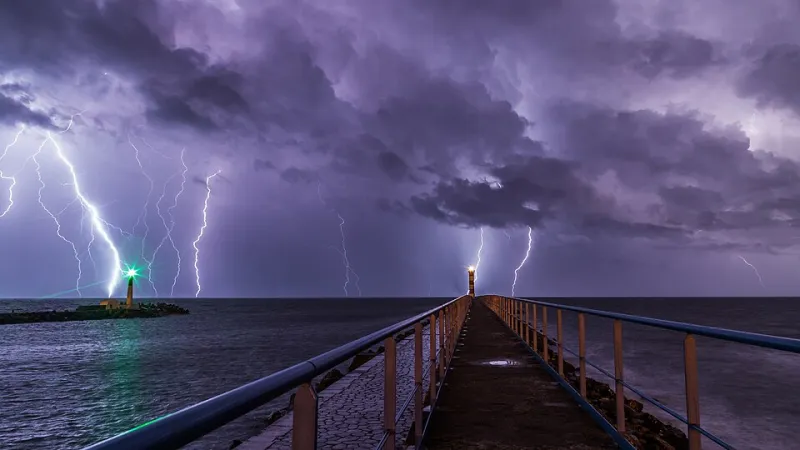
Photo: Maxime Raynal from France, CC BY 2.0, via Wikimedia Commons
A Job With a View Nobody Wanted
There are jobs people take because they want them, and jobs people take because nobody else will. Lighthouse keeping was mostly the second kind. Long stretches of isolation, punishing weather, and a routine that never changed: light the lamp, log the weather, watch the water.
But somewhere between the routine and the rocks, one keeper turned the loneliness into leverage. The nights were long. The sky was dark — genuinely dark, in a way modern readers can barely imagine. And she decided to use every one of those hours.
The Education Nobody Handed Her
She had no degree. No mentor. No university library within a day's travel. What she had was borrowed books, correspondence with anyone who would write back, and a telescope she taught herself to use through trial, error, and a lot of cold fingers.
The self-taught astronomer is a recurring figure in American history, and there's a reason. In the nineteenth century, the frontier of knowledge wasn't behind university walls — it was anywhere a curious person happened to be standing. The barrier wasn't access to information so much as access to belief. Institutions believed in credentials. Nobody believed in a keeper with a notebook.
She kept the notebook anyway.
The Discipline of the Unwitnessed
Here's what made her records extraordinary: nobody was watching her make them. There was no grant reviewer checking her methods, no colleague double-checking her dates. Every entry was an act of pure discipline.
Night after night, she logged what she saw — positions, brightness, changes over time. Most of it was routine. Stars do not perform on schedule. But routine observation, done honestly over months and years, builds something no single night of genius can: a pattern.
And in that pattern, she spotted something. A change in the sky that the periodic catalogs and the professional observers had either missed or dismissed.
The Sceptics at the Observatory
When she reported her finding, the reception was exactly what you'd expect. A lighthouse keeper, claiming a discovery that professional astronomers with observatories and staff had overlooked? Politely noted. Quietly doubted.
But her records were her armor. She had dates, positions, and repeated observations — the currency of real science. When others finally turned their instruments to confirm what she'd described, the finding held. The professionals had to update their records, and their assumptions, to include a name they'd never planned on: hers.
Why the Loneliest Post Won
There's a lesson buried in this story that has nothing to do with stars. The great observatories of her era were racing each other — competing for funding, prestige, and the same patch of sky everyone agreed to watch. She was racing no one. She had a fixed post, an unobstructed view, and infinite patience.
Sometimes the advantage isn't better equipment. It's a better vantage point, held longer than anyone else is willing to hold it. The observatories sampled the sky. She lived in it.
The Record Outlived the Doubt
Her original notebooks, dense with careful entries in a steady hand, became the proof that outlasted every dismissal. Today she's remembered not as an amateur who got lucky, but as a reminder of how discovery actually works: attention, repetition, and the stubbornness to keep logging what you see even when nobody's watching.
The lighthouse did its job, guiding ships past the rocks. But the person inside it did something the lamp never could — she looked up, wrote it all down, and made the scientific world turn around.