The Farmer Who Failed His Way to Feeding the World: How One Man's Ruined Harvest Sparked a Green Revolution
When the Corn Wouldn't Grow
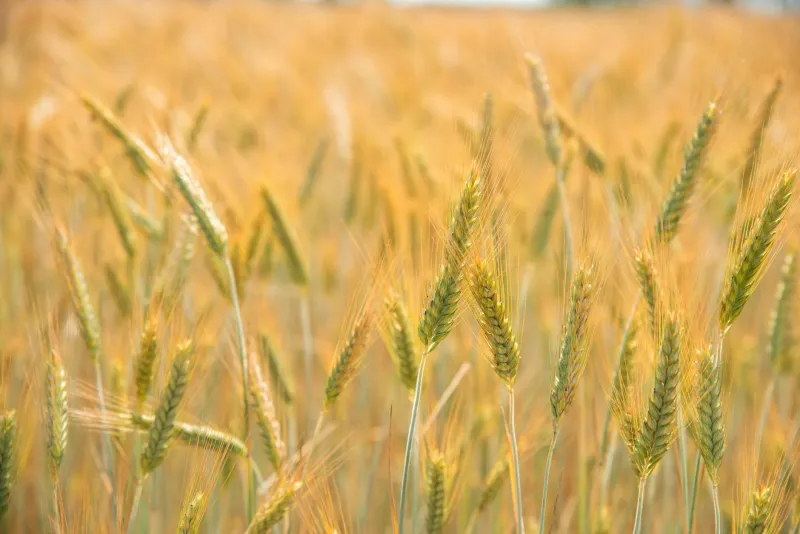
The dust was everywhere in 1934. Norman Borlaug stood in what should have been his grandfather's cornfield, but the stalks were brown and brittle, another casualty of the worst drought in Iowa's recorded history. At twenty, he'd already watched three consecutive harvests fail, each one driving his family deeper into debt.
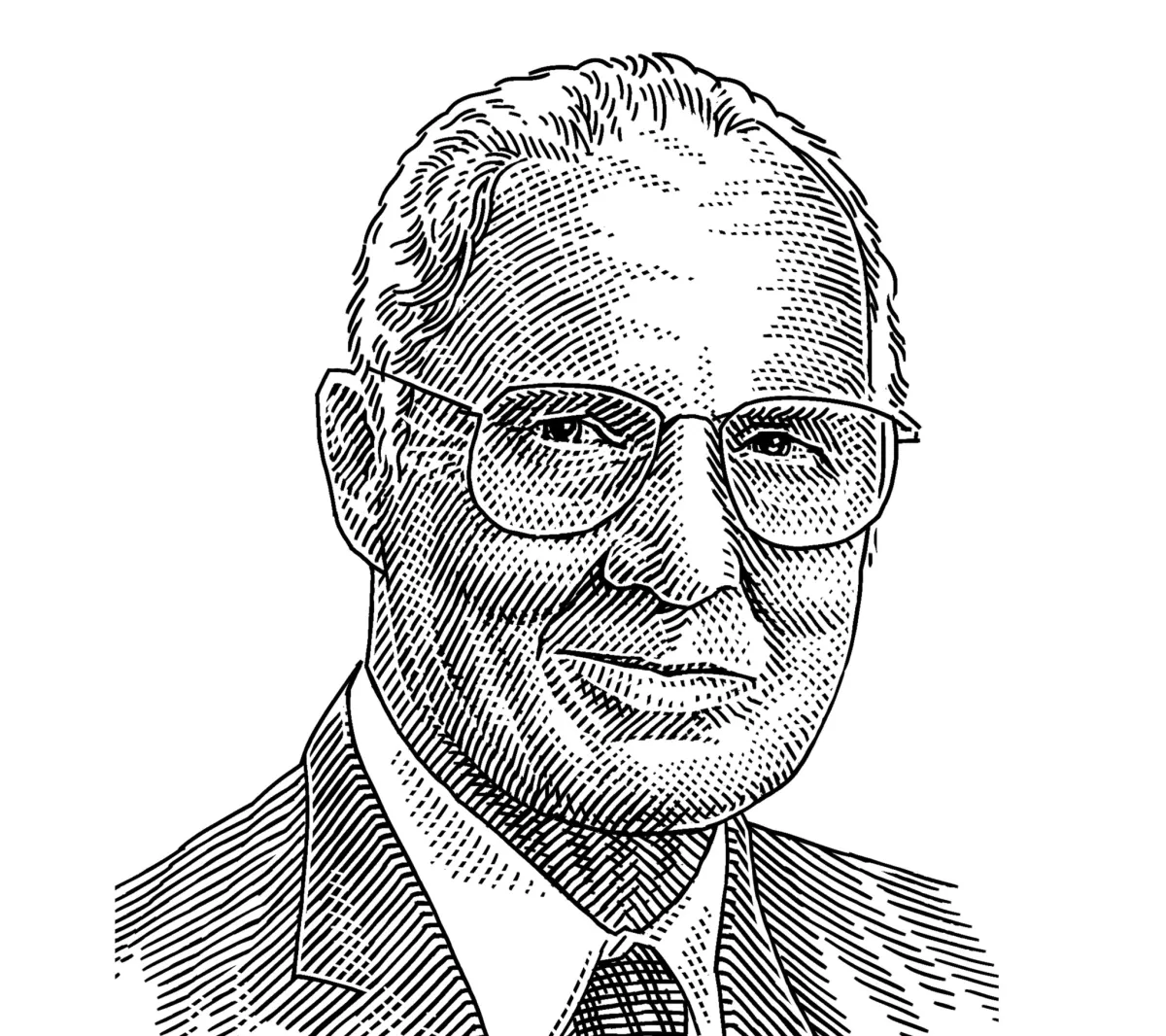 Photo: Norman Borlaug, via humanprogress.org
Most young men would have walked away from farming forever. Borlaug did the opposite — he became obsessed with understanding why crops failed and how to make them stronger.
"I saw too much hunger," he would later say. "Too many families going without because the plants just couldn't survive."
What he couldn't know then was that those failed harvests were teaching him lessons that would eventually feed a billion people.
The Education of a Problem Solver
Borlaug's path to becoming the father of the Green Revolution started with a wrestling scholarship to the University of Minnesota. He was studying forestry when he took a plant pathology course that changed everything. Professor Elvin Stakman showed slides of wheat rust disease destroying entire fields across the Midwest.
 Photo: University of Minnesota, via www.sasaki.com
The images hit Borlaug like a physical blow. Here was the scientific explanation for what he'd witnessed as a child — plant diseases that could wipe out entire harvests, leaving families hungry and desperate.
"Most students saw academic slides," remembered a classmate. "Norman saw his grandfather's failed fields all over again."
He switched his major to plant pathology immediately, driven by a singular focus: understanding how to make crops survive when everything was working against them.
Mexico's Impossible Assignment
In 1944, the Rockefeller Foundation offered Borlaug a position that most scientists would have politely declined. Mexico was importing half its wheat, and the government wanted to achieve food self-sufficiency. The problem? Mexican wheat varieties were failing catastrophically, producing yields so low that many experts considered the soil unsuitable for wheat production.
Borlaug took the job anyway.
For the first three years, everything went wrong. His experimental wheat varieties either died from disease, couldn't handle the altitude, or produced grain so poor that farmers refused to plant it. His colleagues back in the United States began suggesting he return before his career was permanently damaged.
"Every season was another failure," Borlaug wrote to his wife. "But every failure taught me something the textbooks never could."
The Breakthrough That Broke the Rules
The turning point came in 1948, when Borlaug decided to try something agricultural scientists considered impossible: breeding wheat in two different locations with completely different growing seasons. The conventional wisdom was that this would weaken the plants, making them less hardy and productive.
Borlaug planted his experimental varieties in the Sonoran Desert during winter and in the mountains of central Mexico during summer. By forcing the wheat to adapt to radically different conditions twice a year, he was essentially putting each generation through survival training.
The results shocked the agricultural world. Instead of weakening the plants, the dual-season breeding created wheat varieties that were incredibly resilient — able to grow in diverse climates, resistant to multiple diseases, and capable of producing yields that were three to four times higher than traditional varieties.
From Lab to Global Impact
By 1956, Mexico had not only achieved wheat self-sufficiency but was actually exporting grain. Word of Borlaug's "miracle wheat" spread quickly, and soon countries across Asia and Latin America were requesting his help.
In India and Pakistan, where famine was a constant threat, Borlaug's wheat varieties transformed entire regions. The new crops could grow in previously unsuitable areas, survive droughts that would have destroyed traditional varieties, and produce harvests large enough to feed rapidly growing populations.
The impact was staggering. Between 1965 and 1975, wheat production in developing countries increased by 60%. Countries that had been dependent on food aid became grain exporters.
The Price of Success
Borlaug's success didn't come without controversy. Critics argued that his high-yield varieties required more fertilizer and water, potentially creating environmental problems. Some accused him of prioritizing quantity over sustainability.
But for Borlaug, who had grown up watching families go hungry, the choice was clear. "You can't eat environmental purity," he would say. "A billion people are alive today who wouldn't be without these crops."
In 1970, he became the only agricultural scientist ever to win the Nobel Peace Prize. The committee cited his contribution to "providing bread for a hungry world."
Legacy of a Failed Farmer
Norman Borlaug died in 2009, but his impact continues to grow. The wheat varieties he developed are still feeding hundreds of millions of people, and his breeding techniques laid the groundwork for modern agricultural science.
Perhaps most importantly, his story proves that the most devastating failures can become the foundation for the most extraordinary successes. Those failed corn crops in 1930s Iowa didn't just teach a young man about agriculture — they gave him the determination to ensure that no other family would go hungry because their crops couldn't survive.
Today, when agricultural scientists work to develop climate-resistant crops for a changing world, they're following the path blazed by a farmer who learned his most important lessons from watching his harvests fail.
Sometimes the seeds of greatness are planted in the soil of our deepest disappointments.