From Hospital Bed to Highest Honors: The Paralyzed Teen Who Became America's Most Patient Spy
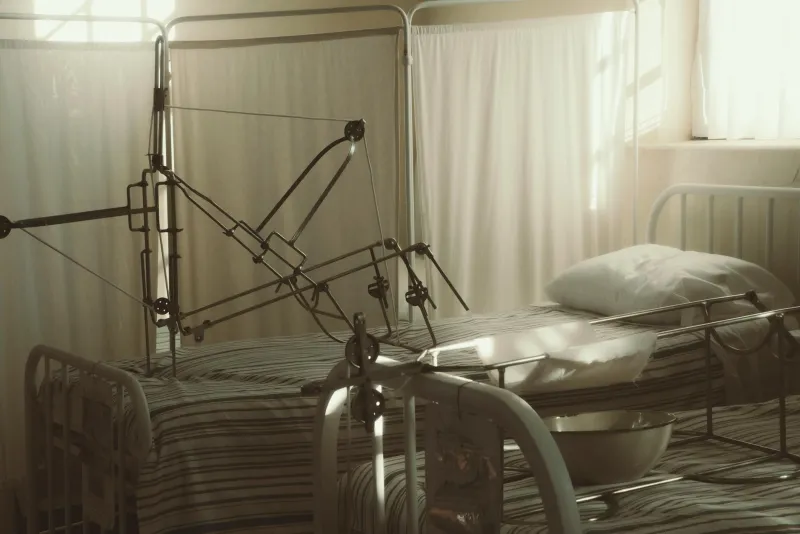
The Ward That Taught Him to Watch
William Colby was supposed to be starting college when the fever hit. Instead, the nineteen-year-old found himself staring at the same ceiling tiles in a polio rehabilitation ward for what would stretch into two endless years. His legs, once strong enough to carry him through prep school athletics, now lay motionless beneath starched hospital sheets.
 Photo: William Colby, via www.studentroom.co.za
The other patients came and went. Some recovered enough to walk with braces. Others were transferred to long-term care facilities. Colby remained, watching. Always watching.
"I learned to notice everything," he would later tell colleagues at the Central Intelligence Agency, though he never explained why that skill came so naturally to him. "The way people moved their hands when they lied. How their breathing changed when they were afraid. The small tells that revealed everything."
What he didn't mention was where he'd learned it: during twenty-four months of forced observation, when watching was all he could do.
The Unlikely Training Ground
The Roosevelt Hospital's polio ward wasn't designed to train spies. It was a place of rehabilitation, where young Americans learned to navigate a world that had suddenly become much smaller. But for Colby, those sterile corridors became an inadvertent academy in human behavior.
 Photo: Roosevelt Hospital, via www.swissinfo.ch
Unable to move, he developed what doctors called "remarkable attentiveness." Nurses noted his ability to predict which patients were struggling emotionally before they showed obvious signs. He could sense when someone was about to give up, when families were preparing to stop visiting, when hope was genuinely returning.
"He saw patterns none of us caught," remembered Dr. Margaret Chen, who worked the ward during Colby's stay. "We'd find him quietly talking to patients who were on the verge of emotional breakdown, somehow knowing they needed support before they'd asked for it."
The enforced stillness was teaching him something no spy school could: how to read people when everything depended on getting it right.
When Movement Returned, the Watching Continued
Colby's recovery was gradual, then sudden. Feeling returned to his legs in fits and starts over six months. When he finally walked out of Roosevelt Hospital, he carried with him an unusual gift: the ability to remain completely still while missing nothing.
He finished college and seemed destined for law school when World War II intervened. The Office of Strategic Services—the CIA's predecessor—recruited him not for his physical capabilities, but for something recruiters couldn't quite name. "He had this quality of attention," noted his OSS file. "Could sit in a room and somehow know everything that had happened there."
What they didn't know was that he'd spent two years learning to extract maximum information from minimal movement.
The Patient Revolutionary
By the 1950s, Colby had become legendary within American intelligence circles for his ability to conduct surveillance that others found impossibly tedious. While colleagues grew restless during long stakeouts, Colby seemed to enter a meditative state, absorbing details that proved crucial weeks or months later.
His greatest triumph came during the Berlin crisis of 1961. Tasked with monitoring Soviet diplomatic movements, Colby spent eleven days in a single observation post, tracking patterns that revealed the timing of the Berlin Wall's construction. His report, filed just hours before construction began, allowed Western intelligence to document the entire operation.
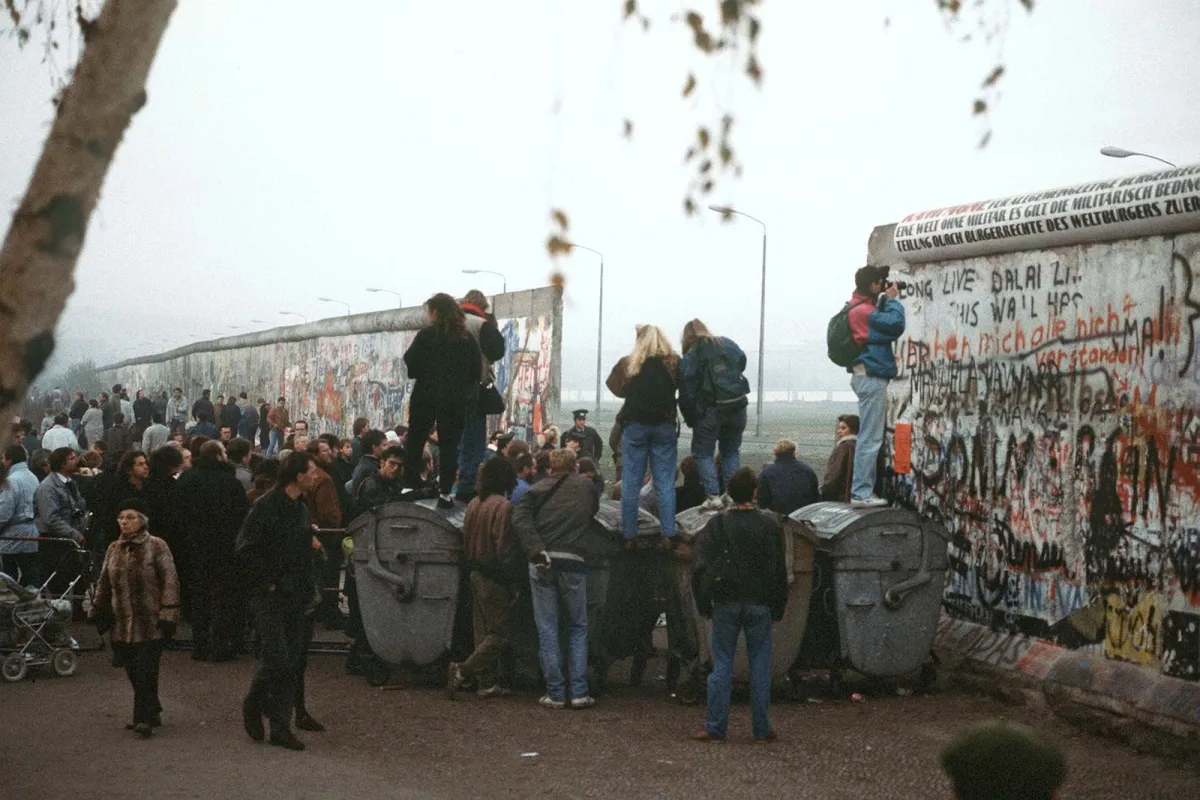 Photo: Berlin Wall, via cdn.britannica.com
"Most agents would have missed it," said James Angleton, the CIA's counterintelligence chief. "The patterns were too subtle, required too much patience to detect. Bill saw them because he'd learned to see everything."
The Strength Hidden in Stillness
Colby's career would span three decades and include some of the CIA's most sensitive operations. He served in Vietnam, directed the agency's most classified programs, and eventually became Director of Central Intelligence. Throughout it all, colleagues noted his unusual composure under pressure and his ability to detect deception that others missed entirely.
None of them knew that his greatest professional asset had been forged in a hospital bed, during the two years when watching was all he could do.
"People think strength comes from movement," Colby reflected near the end of his career. "Sometimes it comes from learning to be absolutely still while the world reveals its secrets around you."
The polio that nearly ended his life before it began had instead given him the one skill that would define it: the patience to see what others couldn't, learned during the months when seeing was all he had left.